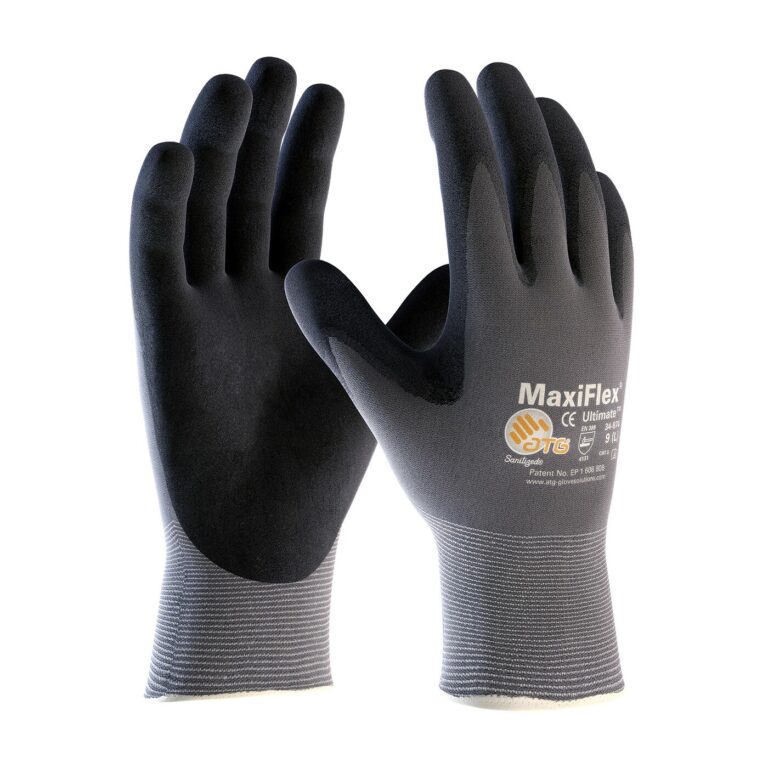
I’ve covered coated work gloves in the past but this post is focused specifically on coated cut-resistant gloves.
Most workers know about traditional cut-resistant gloves such as the old Kevlar thick knits used in factories or the super metal mesh gloves worn by butchers. However, the most prevalent today are the thin knit coated cut-resistant gloves that are popular since they are thin, seamless, and very flexible which adds additional elements of safety.
The uses by our customers are very diverse numerous but I’ll provide the most popular uses that are known to us. I list them since it is a good reference guide for new customers.
Uses include:
Automotive; construction; electronics; fishing industries; glass cutting; glass industry; metal stamping; parts assembly; sharp parts handling; recycling; sanitation; sheet metal handling; and waste handling.
Due to the many uses that I just mentioned, there are specific coated cut-resistant gloves designed for these particular uses. Examples include general duty construction and work gloves; liquid proof models, and even chemical resistant versions. This is why we carry 9 different coated cut-resistant gloves just for these uses. Rather than provide 9 separate links in this post, it would be much easier for you to find a model that meets your use in the following links.
Since coated cut-resistant gloves have different levels of cut resistance, you may find the following link on the new EN388 Cut Resistant Standard helpful. We show cut resistant levels in each of our glove listings.
It’s that time of year again when special hospitality events
start happening so we like to provide everyone with useful glove up-dates and
recommendations.
Many of our high-end repeat customers like hotels and
country clubs who we are always in contact with us are familiar with our
recommendations. However, if you are new with us, we feel this information is
helpful with your glove selection and purchase. By posting this brief on the
Glove Guru Blog makes it a permanent archive on our web site for future
reference.
I will cover catering serving gloves which are also
referred to as food service gloves but this brief is focused on gloves used by
waiters, waitresses, and workers serving platted food. I will include a link at
the end of this post for those looking for other types of food service gloves.
Suggestion
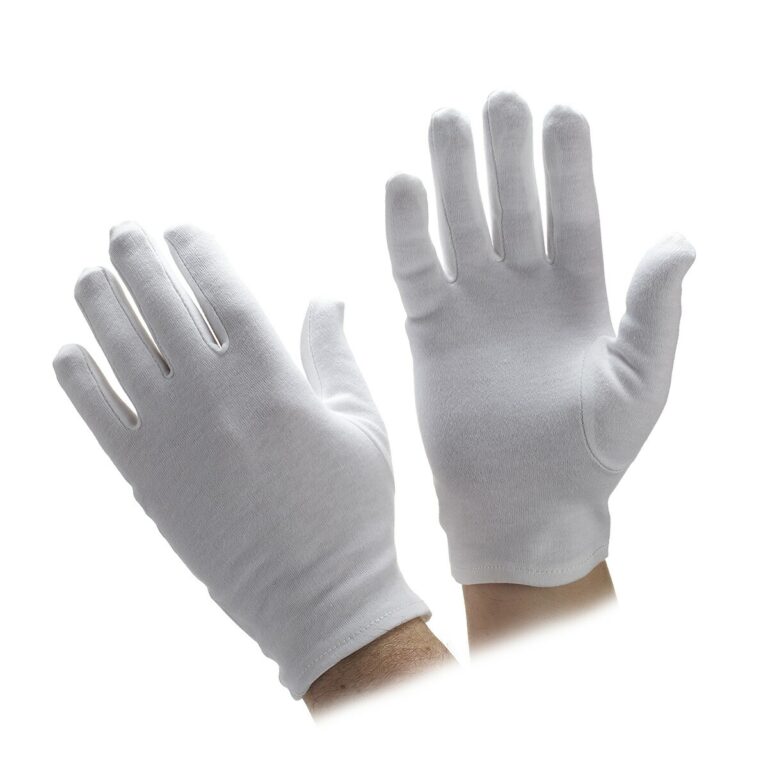
#1 – Use Cotton Gloves
Although our nylon gloves have the look and the feel
like our high quality cotton gloves and are more user “size” friendly since
they stretch, they are more slippery. That will cost you dearly in broken
plates and lost dinners and this doesn’t account for the sound of broken glass
and gasps among the crowd during a nice dinner event. Plus, our cotton gloves
launder nicely for those that like to reuse them.
Cotton serving gloves also have dual purposes, too.
Besides looking good and keeping hands away from food, the cotton helps as a
heat barrier for heated plates. This is a benefit for your employees, so
wearing the gloves is useful to them as well.
Suggestion
#2 – Consider Beaded Palm Gloves
Perhaps, many of you that are new to us didn’t even
know these gloves exist but we’ve been selling them for over 2 decades now.
They were always very popular with our honor guard and marching band users due
to their enhanced gripping (think long parades carrying flags, rifles and musical
instruments) but they gradually became the choice of fine restaurants and food
catering companies for the same “gripping” reason once they learned that we
made them. We even make them in Black models so see next
suggestion.
Suggestion
#3 – Consider Black Models
OK.. We’ve all come to consider White Gloves the gold
standard when it comes to hospitality and stellar service and I’m in full
agreement. After all, White Glove Service
has been a well-known motto for ages.
On the other hand, I’ve seen a slight increase among
our very large catering companies to switch to Black models. They attribute the
move to black gloves since they hide food stains better. I’m talking about very
large banquet facilities here who serve hundreds of dinners at one occasion but
it’s something to consider. After all, black is elegant, too.
Suggestion
#4 – Glove Selection
Again, as always, we make it easy to find the best
catering glove for your individual needs. We’ve even broken it down to make it
simpler by having them in a few select glove categories.
I included a few links below to help you, so please check
them out and please let me know if you have any questions. These links are also
included in our left hand navigation panel for future reference and our robust
search bar at the top of our home page is another good option for finding the
right glove for your needs.
Many of you who use Cut Resistant gloves will begin to
see the new markings relating to the new standards on the gloves they use. They
can be a bit confusing at first but they are simply more precise as to the
mechanical risk.
To make them easier to understand, we have loaded a
printable PDF file on our web site that you can print out. This file is
compliments of the technical people at the PIP Glove Company.
Regarding the cut resistance, most gloves in the old 3, 4, and 5 ranges remain almost the same but with a new A3, A4, and A5 symbols. I mention these ranges since most of the popular cut resistant gloves fall in these ranges.
We created a new listing for Children’s Cotton Gloves to make it easier for parents to locate them quicker. In the past, we listed them as a size under our adult unisex models and they often got overlooked. So based on phone calls, we have included them as a separate listing.
These cotton gloves are also popular for children with
eczema problems since they are a very high-quality 100% cotton.
At this new listing, you will also find links to other popular children’s gloves for special occasions. They can be found in the “related” tab.
Coated gloves are our most popular chore and work
gloves for very obvious and simple reasons. Since we first introduced them back
in 2005 when they were first developed, they have slowly replaced leather
gloves. Why? Because most coated gloves now outperform leather gloves.
Another fascinating reason for the growth of these gloves is that women have learned to enjoy, as I always say, the fit, feel, and function of coated gloves. Plus, due to their thinness they can easy be stored in your back pocket for quick and easy retrieval.
Today, there are many types of coated gloves for
specific work situations and conditions. This includes special type of
coatings, special fibers, and special design features. Many users like them
since they seem like a second skin since they are thin, offer great dexterity,
and breathable unlike other work gloves.
Our range of coated gloves includes over 51 different and unique models. Far too many to cover is this post so I will simply provide you a list (in bullet points) of features found in some coated gloves with a few links to an example glove to provide you with a better idea. I’m sure some of these features will surprise many of you, too.
**Note that a link to a glove does not mean it’s the only model with this feature by any means. You can scroll through all the models or simply use our search bar at the top of our home page if you are looking for a specific function or feature.
Examples of coated glove features that you may need:
Let me know if you have any questions or visit our Home Page to find a glove most suitable for your needs. Keep in mind that we have a consumer glove web site and an Industrial web site specific to work gloves.
I made a major move from the old and outdated Google Blog Spot platform to the more modern WordPress platform. It’s hard to imagine but I started the Glove Guru Blog back in 2008. Furthermore, it took some time and hard work to move all of the posts and images to our new home. That’s an amazing 11 years of valuable glove information and advice.
The most important aspect with the Glove Guru Blog is
the fact that the information is permanently archived for research and
reference data pertaining to gloves. It includes information for everyone…from
simple answers to basic glove questions like laundering cotton gloves to highly
technical safety data such as cut resistance. A simple search in our search box
at the top of the blog will link you to all of the posts on a searched topic or
word. Use it wisely as there is vast amount of data.
As an additional benefit, The Glove Guru also introduces the latest new gloves to hit the market or new glove innovations and information, so anyone can join our mailing list to get this insider news in a timely manner.
If you are one of my faithful subscribers, it would be nice to let me know that this post reached you without any glitches. Otherwise, it’s back to some heavy lifting and more coffee.
Our Christmas shipping deadlines for domestic shipments have been posted on our home page at Gloves-Online.
Remember, gloves are ideal stocking stuffers. You may also want to consider giving gift certificates from GO Gloves and you don’t have to worry about guessing the size or color. Gift certificate link.